Small Space, Big Value: How to Add a Bedroom or Office to a Mews House
Lofts, basements and outbuildings can each buy a mews house an extra bedroom or office — if you respect...

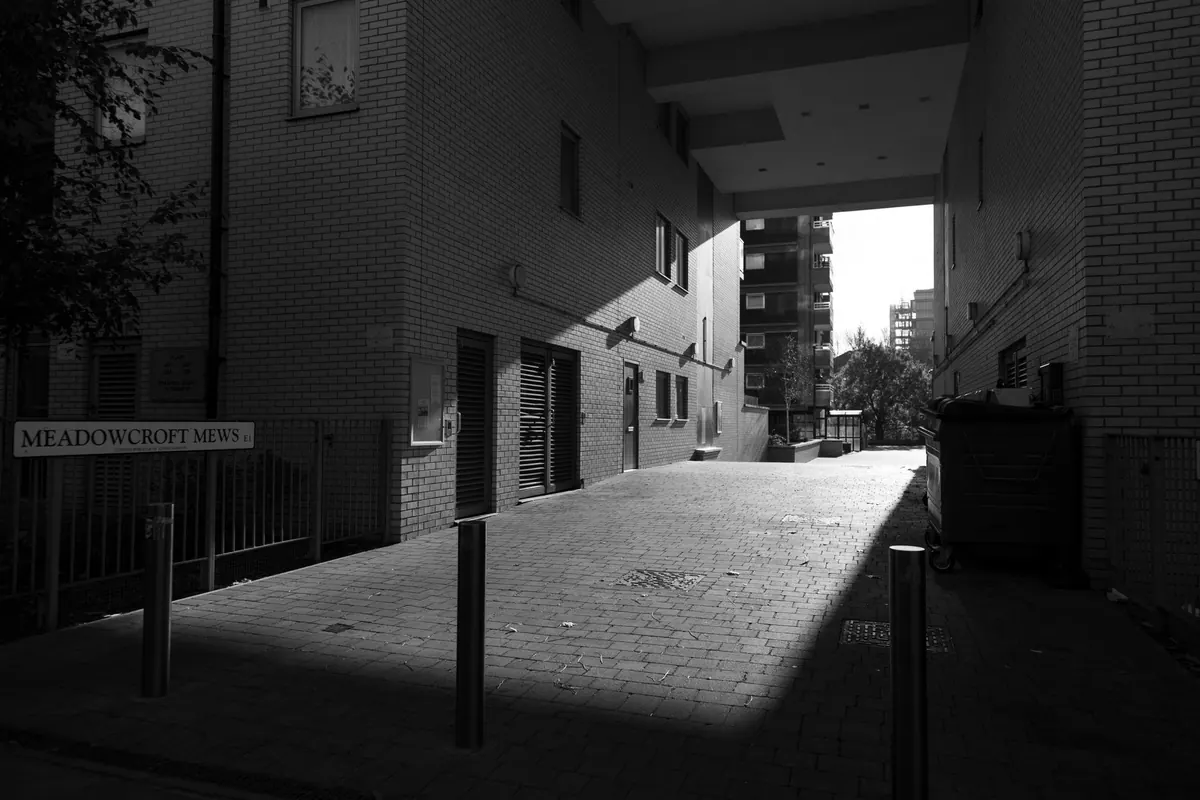
A mews house looks like the simplest property in London: two storeys, a garage door, cobbles, a fig tree in a pot. The paperwork rarely matches that picture. Mews were built as stables and coach houses, and the way they have been sold, split and leased over the past century has left behind shared driveways, divided freeholds and estate covenants that catch buyers out. None of it is unmanageable, but it changes what you ask for and when.
Most mews sit behind a grand terrace, and their original job shapes everything. The plot is narrow, the building shallow, and the ground floor was designed for a carriage rather than a family.
The legal quirks matter more. Many mews sit on private roads that the local authority never adopted, which means no council obligation to resurface, drain or light them. That cost falls to whoever carries the maintenance obligation in the title: sometimes a residents' association, sometimes an estate management company, sometimes owners on the street paying under an arrangement nobody wrote down.
So start with a blunt question: is the road maintainable at public expense? If not, who pays, how is the share calculated, and is there a signed agreement? Get that in writing early, because it affects your annual costs and how easily you can sell later.
Ownership comes in three broad shapes, and they behave differently.
The house and land are yours, but the title may carry rights and duties over a shared passage, a drainage run, a party wall or a communal gate. You own your house outright while sharing responsibility for something structural with a neighbour. Read the transfers closely: obligations registered against the title pass to you automatically.
Common on the large London estates. You buy a lease, pay ground rent and a service charge, and usually need the landlord's consent to alter the property or assign the lease. A long lease with sensible terms is perfectly financeable; a short one, or one loaded with restrictions, is not.
This is the one that surprises people. A flying freehold exists where the freehold of one part of a building sits above or below the freehold of another — often where a coach house was divided, so your first floor is technically somebody else's freehold, or your ground floor sits under theirs.
It is not automatically a problem, but the consequences are real. Repairing covenants across two freehold titles are harder to enforce than covenants in a lease, and some lenders decline flying freeholds outright. Ask your solicitor about a deed of mutual covenant or indemnity insurance, and check your lender's position before spending on legals.
A large slice of central London mews sits under the great estates, and the structure is formal and strict. Expect:
Ask whether previous owners obtained consent for alterations they made. Retrospective approval is usually possible, but it costs time and money and can stall a purchase. A good solicitor asks this in the first week, not the last.
Standard searches cover a lot, but mews properties reward extra questions. Use a solicitor who has handled estate and mews transactions before.
If the property is leasehold, ask for the lease, three years of service charge accounts, the current budget, the reserve fund balance, any major works consultation notices, and the landlord's planned maintenance programme.
Mews purchases attract the usual costs — stamp duty, legal fees, searches, survey, lender fees — plus one category buyers often forget: consents. Licences to assign, deeds of covenant, notices and retrospective approvals all carry fees, sometimes with VAT. Add an indemnity policy if your solicitor recommends one.
Then look at what is lurking in the service charge: external redecoration, roof repairs, resurfacing, railings, lighting. Ask when each was last done and when it is next due. A healthy reserve fund is reassuring; a depleted one usually means a bill is on its way.
Ground rent deserves scrutiny too. Note the amount and the review pattern, since rising or doubling ground rents can affect mortgageability, and recent legislation restricts ground rent on newly granted leases.
A valuation is not a survey. Mews houses are small but rarely simple: single-skin walls, flat or shallow roofs, converted garages, limited foundations, tight vehicle access and damp at ground level are all common. Commission a building survey and tell the surveyor it is a mews.
Lenders can be cautious about flying freeholds, short leases, non-standard construction and freehold-leasehold splits. Get an agreement in principle, describe the property honestly to your broker, and confirm the lender is comfortable before legals begin.
Request the title plan, lease and any estate handbook before instructing anyone. Ask about ground rent, service charge history and road maintenance in writing. Then appoint a solicitor and surveyor, order searches and the management pack early, and budget for consent fees alongside the usual costs.
This is general guidance rather than legal advice. Mews titles are individual documents and the detail decides the outcome. Have a solicitor read them properly, and a surveyor look at the building, before you exchange.
Photo: Gustavo Vizart / Pexels
Lofts, basements and outbuildings can each buy a mews house an extra bedroom or office — if you respect...
Coach houses, stable blocks and artist's studios look similar from the street, but their original features...
Integral garages under mews houses bring parking, storage, and also noise, damp and planning questions....