Small Space, Big Value: How to Add a Bedroom or Office to a Mews House
Lofts, basements and outbuildings can each buy a mews house an extra bedroom or office — if you respect...

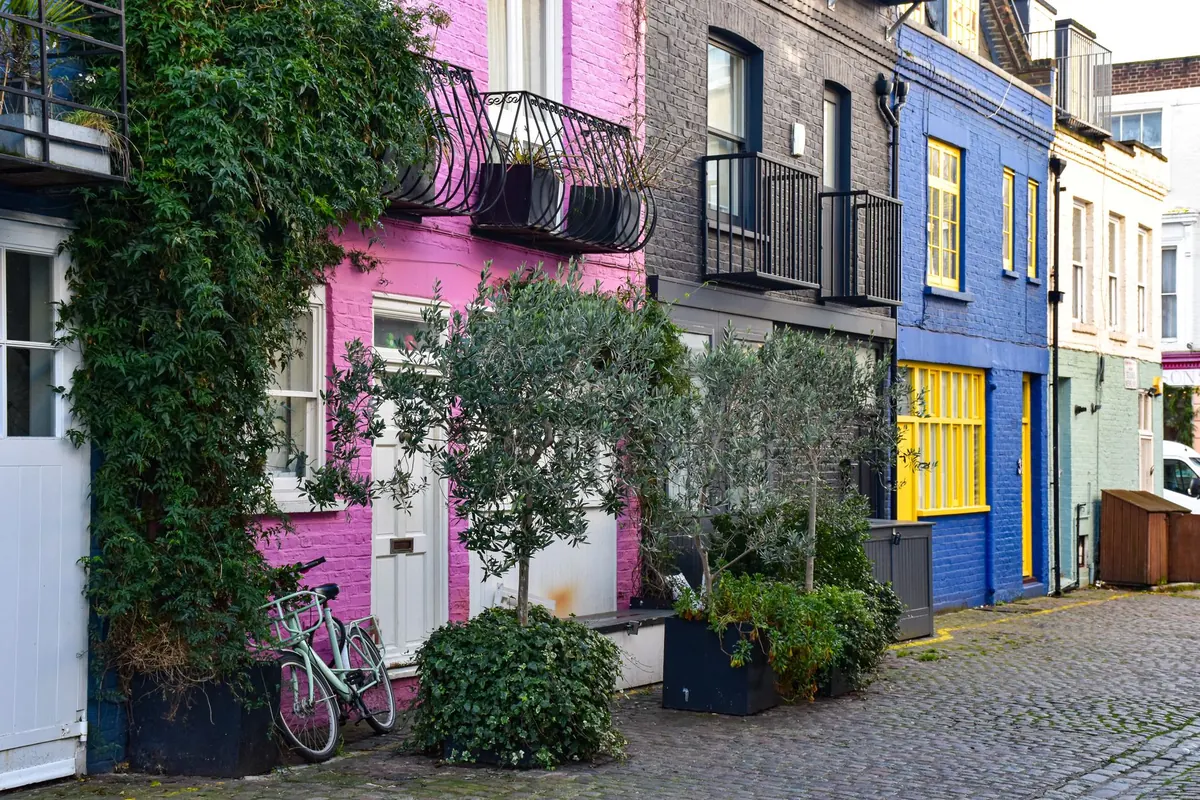
Turn off a smart London square, walk fifty yards, and the city changes register. The traffic drops away, the buildings shrink to two storeys, and you are standing on cobbles between a converted stable and a garage that still has its original timber doors. This is mews London: the service lanes built behind the grand eighteenth and nineteenth century terraces, where horses were kept, grooms slept above the coach house, and the motor car eventually took over the ground floor.
Hundreds survive, and no two behave the same way. Some are postcard-perfect and priced accordingly. Others are quietly scruffy and rather better value than the square they sit behind. What follows is a practical roundup of the streets worth knowing, with the honest pros and cons that sale particulars tend to leave out.
Before you fall for cobbles and window boxes, read the street as a piece of infrastructure. The difference between a delightful mews and a frustrating one is nearly always geometry, not decoration.
St Luke's Mews, Dunworth Mews and the lanes running off Portobello Road are the version of mews London that most people picture, and they earn it: pastel paintwork, dense planting, a genuine neighbourhood bustle of cafés and galleries within a few minutes' walk.
The trade-off is footfall. These streets are photographed constantly, weekend markets bring crowds to the surrounding roads, and parking is a competitive sport. Houses here are often small and single-aspect, so you are buying location and charm rather than space. Look slightly west towards the lanes off Addison Road and Portland Road, where the mews are calmer, the gardens behind them are larger, and prices are a shade more forgiving.
Kynance Mews, with its arched entrances and wisteria, and Ennismore Gardens Mews near the Albert Hall are the polished end of the market. In Belgravia, Eaton Mews North, Eaton Mews South and Belgrave Mews North offer something rarer: wide, well-proportioned mews houses that were built to impress as well as to stable horses.
Pros: handsome architecture, generous widths, mature planting, and a short walk to Hyde Park, the museums and Knightsbridge.
Cons: estate control. In Belgravia and much of Chelsea the freeholder manages external appearance closely, consent is needed for alterations, and service charges and professional fees stack up. Works are slower and dearer than elsewhere. For anyone planning a major refurbishment, factor in time as well as money.
The lanes between Marylebone High Street and Baker Street — Devonshire Mews and its neighbours — and Bathurst Mews on the Hyde Park Estate side of Bayswater offer much of the character of the west London mews without the trophy pricing. Transport is excellent, shops and schools are strong, and rental demand from people who want a lock-up-and-leave base is steady.
These streets tend to be narrower than Belgravia's, and some have been subdivided so that a single original coach house is now two small dwellings. That can mean awkward layouts, shared entrances and thin party walls. It also means the entry price is lower. Check the internal configuration carefully and ask what has changed since the building was converted.
Head north and east and mews living changes character. Around Camden Square and the Barnsbury lanes in Islington, and in the streets behind London Fields and Victoria Park, you get more square footage for your money, more chance of a small garden or roof terrace, and often a stronger sense of a self-contained community — street parties, shared WhatsApp groups, informal parking etiquette.
The catch is consistency. Not every lane here began life as stables; some are converted workshops, light industrial units or simply narrow Victorian terraces given a mews name. That is not a problem in itself, but it does mean less of the uniform cobbled character and more variation in build quality, ceiling heights and light. Visit at several times of day before you commit.
Battersea, Clapham Old Town, Fulham and the Ravenscourt Park area offer mews-style housing with family-sized gardens and reasonable access to good schools, usually at a lower price per square foot than their north-of-the-river equivalents. Bermondsey's Shad Thames is often described as mews living, but those are converted warehouses, with very different construction, service charges and light.
What you gain in space you typically lose in uniformity. Many southern mews are one-off conversions rather than a coherent street, so the neighbours' rooflines, bin stores and parking arrangements may vary wildly. Ask what the street looks like on bin day.
Mews houses are charming and high-maintenance in equal measure. Budget for a full building survey by someone who has worked on converted stables; damp, roof coverings, gutters and party walls are the recurring issues, and a single-aspect layout can hide problems behind furniture. Parts of west London sit over culverted watercourses, so check the flood risk maps and get insurance quotes early rather than late.
Finally, use people who know this market: a solicitor familiar with mews titles and an agent who genuinely sells on the street will spot things a generic valuation will miss. On money, planning and legal questions, take qualified professional advice before you exchange.
Photo: AXP Photography / Pexels
Lofts, basements and outbuildings can each buy a mews house an extra bedroom or office — if you respect...
Coach houses, stable blocks and artist's studios look similar from the street, but their original features...
Integral garages under mews houses bring parking, storage, and also noise, damp and planning questions....